We share our Texas roadside pros’ best tips for cold-weather battery trouble and confusing tire-pressure changes so you’re never stranded.
Cold-Weather Car Battery & Tire-Pressure Tips for Texas Drivers
When people think about winter car problems, they usually picture snow and ice up north. But we see a different side of cold-weather trouble right here in Texas. At Towing Fulshear, we handle a lot of calls every time the temperature swings from warm to a sudden cold front. The most common issues: dead batteries and tire problems.
We put this guide together to help you understand what’s going on under the hood and at the wheels when the temperature drops, and what you can do to stay ahead of it.
If you’d rather have help on the road than gamble on a cold morning, our roadside assistance and towing services are always available across our part of Texas.
How Texas Cold Affects Your Car (Even Without Snow)
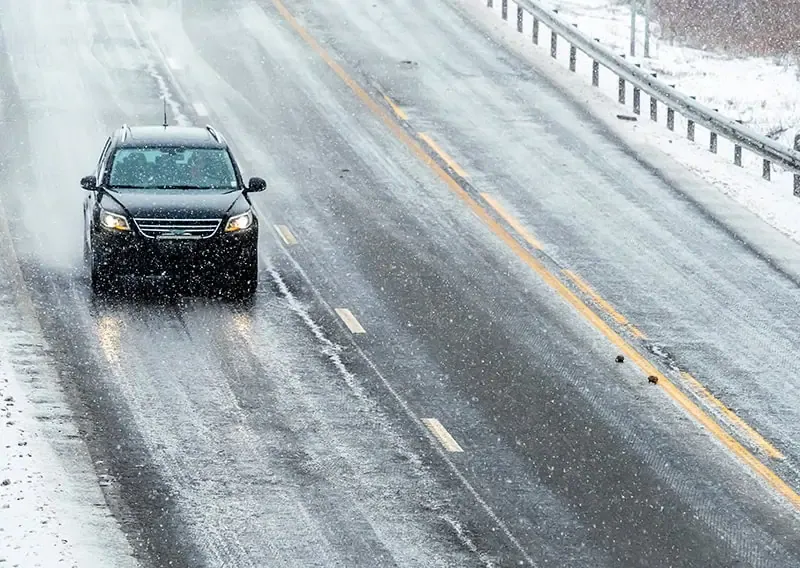
Our winters are tricky. One day it’s 75°F, the next it’s in the 30s with a biting wind. Those swings are tough on vehicles.
Two systems take the hardest hit:
- Your battery
- Your tires and tire pressure
We see it every year: a front blows through overnight, and by sunrise our phones are ringing with jump start and tire calls all over the area. The good news is, most of these issues can be reduced or even avoided with a little preparation.
Why Car Batteries Struggle in Cold Weather
Even in Texas, a drop into the 30s or 40s can expose a weak battery. Here’s what’s going on:
- Cold slows chemical reactions inside the battery, so it can’t produce as much power.
- Engines are harder to crank in the cold because the oil is thicker.
- Short trips during cool weather don’t give the alternator enough time to recharge the battery.
- Older batteries that were “barely hanging on” in warmer weather finally give up when the temperature dips.
We see this a lot with vehicles that sit outside, especially at apartments and homes without garages or carports.
Signs Your Battery May Not Survive the Next Cold Front
If you notice any of these, don’t wait for a 35°F morning to test your luck:
- Engine cranks slowly, especially first thing in the morning
- Headlights dim or flicker when you start the car
- You need to give it a little gas to get it going
- Electronics (radio, power windows) acting sluggish with the engine off
- The battery is more than 3–4 years old
We’ve gone out on many calls where the driver told us, “It was starting a little funny the last few weeks, but I thought it was fine.” Then one chilly morning, it just wouldn’t turn over, usually when they’re already running late.
Simple Cold-Weather Battery Tips
A few small habits can make a big difference when the temperature drops:
-
Test the battery before winter really sets in
Most auto parts stores can do a quick battery test. If you prefer to wait and see, at least keep our jump start service number handy. -
Limit electronics before starting
When it’s cold, turn off the radio, heater blower, and headlights before you shut the car off. That way the battery can put all its power into starting the engine next time. -
Drive a little longer on cold days
If you only drive a few minutes, the alternator doesn’t get a chance to refill what the starter used. When possible, give it a 15–20 minute drive to recharge, especially after a hard start. -
Watch for corrosion on the terminals
White or blue crust on the battery terminals can interfere with flow. Light corrosion can sometimes be cleaned, but if it’s heavy, it’s usually time to have it checked. -
Don’t keep cranking endlessly
If the engine won’t start, avoid cranking it over and over for long stretches. That can drain a weak battery completely or overheat the starter. Try a couple of short attempts, then call for help.
When to Call for a Jump Start (and When Not To)
We’re happy to come out for any reason, but from experience, here’s how we’d look at it if it were our own vehicle:
-
Good time to call for a jump start:
- You’re in a parking lot at night or in an unfamiliar area
- The battery is older and has already given you trouble
- You don’t have good jumper cables or another vehicle nearby
- You’ve tried once or twice and it’s clearly not catching
-
Time to call for towing or further help:
- The dash lights go completely dead and stay that way, even after a jump
- You smell something burning or see smoke near the battery area
- There’s visible damage to cables or the battery case
In those cases, we can send a truck out for emergency towing or 24 hour towing and get you and your vehicle somewhere safe to be checked properly.
How Cold Weather Messes With Tire Pressure
We see just as many tire problems as battery issues during our Texas cold snaps. The main reason: air contracts when it gets cold.
As the temperature drops:
- Every 10°F drop in temperature can reduce tire pressure by about 1–2 PSI.
- A tire that was “okay” but a little low in warm weather can suddenly become underinflated overnight.
- The TPMS (tire pressure light) loves to wake up on cold mornings.
Underinflated tires cause:
- Poor fuel economy
- Sluggish handling and longer stopping distances
- Extra wear on the edges of the tread
- Higher risk of blowouts when you hit potholes or highway speeds
We often get roadside calls from drivers who hit a bridge seam or a pothole on a cold day, only to have a weak, underinflated tire give out instantly.
Checking Tire Pressure in Cool and Cold Weather
You don’t have to be a mechanic to keep an eye on this. A few pointers:
-
Know your proper PSI
It’s on the sticker inside the driver’s door jamb on most vehicles (not on the tire itself). That number is what you should aim for when the tires are “cold” (vehicle parked for a few hours, not driven). -
Check after a temperature swing
When we go from 70°F to 40°F overnight, that’s a good time to check your tires the next morning or at the next gas fill-up. -
Use a simple tire gauge
A basic digital or pencil-style gauge is cheap and easy to keep in the glovebox. Gas station gauges are hit-or-miss. -
Respond to the tire pressure warning light
That TPMS light isn’t just annoying; it’s telling you something. Sometimes it’s just temperature-related and a minor top-off will clear it. But it can also indicate a slow leak that gets worse in the cold.
If the tire is very low, bulging, or looks flat, avoid driving on it. That’s when our tire change service or a tow is safer and cheaper than a damaged rim or an accident.
Cold-Weather Tire Tips for Texas Roads
We don’t deal with heavy snow on a regular basis, but our roads still change when it’s cold:
- Bridges and overpasses can be slick on cold, damp mornings
- Potholes can open up or get worse after rain and temperature swings
- Dark early mornings and evenings make road hazards harder to see
To protect your tires and stay safer:
- Keep tires properly inflated as mentioned above
- Rotate tires on schedule so wear stays even; uneven wear is more likely to fail under stress
- Slow down on rough or unfamiliar roads, especially at night or when it’s below 40°F
- Avoid hitting curbs when parking, which can damage sidewalls and throw off alignment
We’ve towed plenty of vehicles where a simple, slow leak turned into a full blowout on a cold evening commute.
Putting It Together: A Simple Cold-Weather Checklist
Here’s a quick rundown you can follow when a cold front is on the way:
- Check battery age (over 3–4 years? Plan to test or replace soon)
- Listen for slow cranking in the mornings
- Turn off radio/blower before shutting the car off
- Keep a pair of jumper cables in the trunk if you’re comfortable using them
- Check each tire with a gauge when temps drop sharply
- Top off air at a station if you’re a few PSI low
- Don’t ignore the tire pressure warning light
If any of that doesn’t feel comfortable or safe to handle yourself, that’s exactly what we’re here for.
When You Need More Than a Tip Sheet
Even with the best preparation, things still happen. Cars don’t always choose a convenient time or place to act up. When they don’t, we can help with:
- Roadside assistance and towing when you’re stranded
- Jump start service if your battery dies in the cold
- Tire change service when a flat or blowout leaves you stuck
- Emergency and 24 hour towing if the vehicle just won’t move or isn’t safe to drive
We work all over our part of Texas, and we’re used to responding in all kinds of weather — from summer heat to cold, windy nights in January.
If you’re dealing with a dead battery, low tire, or a vehicle that just won’t cooperate in the cold, contact our team at Towing Fulshear. We’ll help you figure out the safest option, get to you as quickly as we can, and make sure you’re not left out in the Texas cold any longer than necessary.